Maintaining the right temperature in a pipe, vessel, or process line is critical to keeping operations running smoothly. However, that’s just the beginning. In industrial facilities, inadequate temperature control can affect product quality, disrupt production, damage equipment, and create costly downtime. In commercial buildings and critical infrastructure, freezing temperatures can lead to frozen or burst pipes, interrupted services, and expensive repairs.
Heat tracing helps address these challenges by providing supplemental heat where it is needed. However, not every application has the same requirements. Selecting the right technology means considering operating temperatures, environmental conditions, location classifications, control requirements, and the specific demands of the process.
Nelson heat trace products from Emerson offer a range of solutions designed to meet these varied needs.
Understanding the Role of Heat Tracing
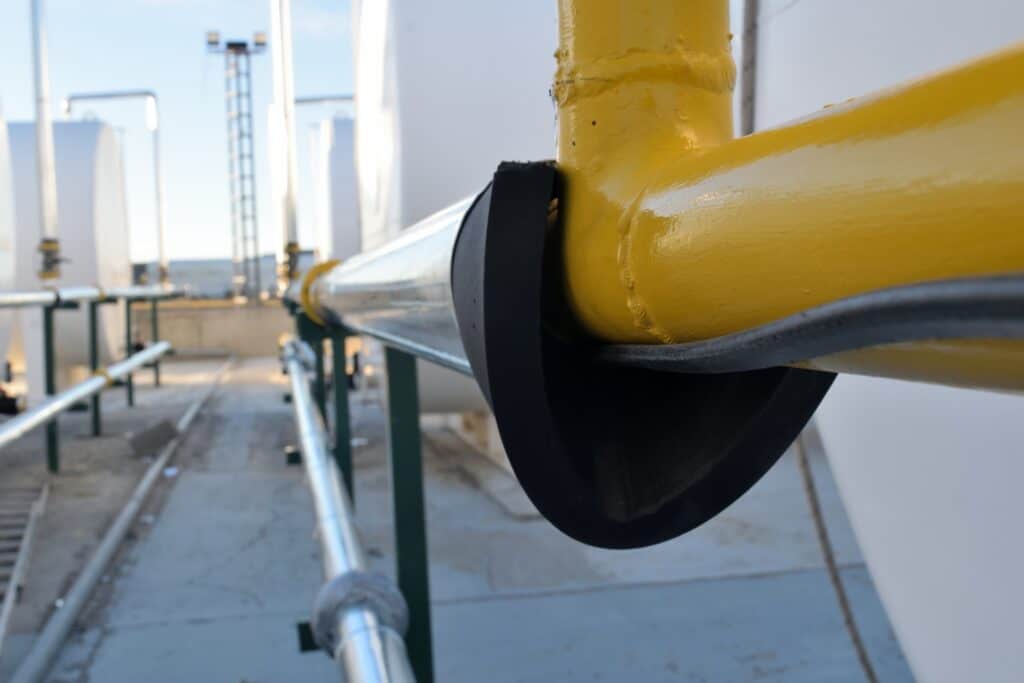
Heat trace systems use electrical heating cables installed along pipes, tanks, vessels, and other equipment to replace heat lost to the surrounding environment. Depending on the application, the goal may be to prevent water from freezing, maintain the temperature of a process fluid, or support consistent operating conditions in demanding industrial environments.
Proper insulation plays an important role, but it may not be enough on its own in extreme cold or when a process requires a specific minimum temperature. Heat tracing provides an additional layer of protection by actively compensating for heat loss.
Choosing the Right Nelson Heating Cable Technology
Emerson’s Nelson portfolio includes several heating cable technologies, each suited to different operating conditions and temperature requirements.
Self-regulating heating cables are a versatile option for freeze protection and lower-temperature process maintenance. Their heat output adjusts in response to the surrounding temperature: the cable produces more heat as conditions get colder and less as they warm. This happens along the length of the cable, helping deliver heat where it is needed. Self-regulating cables also can be cut to length in the field, offering flexibility during installation.
These characteristics make them useful for applications involving metallic or nonmetallic piping, tanks, and vessels. They can help protect fire protection systems, process water lines, hot water piping, and other systems, where maintaining flow is important.
Constant-wattage and series-resistance heating cables provide additional options when an application calls for a different heating approach or specific design requirements. These technologies can be evaluated as part of a system designed around the operating conditions and temperature needs of the equipment.
For higher-temperature applications, mineral-insulated (MI) heating cable offers a durable solution. Nelson MI cable uses heating elements surrounded by magnesium oxide insulation and an alloy 825 sheath. Depending on the design, it can support maximum exposure temperatures up to 593°C (1,100°F), making it an option for demanding industrial environments, where high temperatures and chemical resistance are important considerations.
The right cable depends on the application, not simply the industry or facility where it will be installed.
Controls, Monitoring, and Connection Systems Matter
A successful heat trace installation involves more than selecting a heating cable. Connection components, controls, and monitoring systems all contribute to system performance and reliability.
Nelson connection kits support power connections, splices, tees, and end-of-circuit configurations. Available options are designed for different installation environments, including certain hazardous and classified locations. Selecting components appropriate for the location and cable system is essential.
Control options range from electromechanical thermostats to electronic controllers and monitoring systems. Depending on the configuration, these systems can monitor temperatures, electrical load, ground-fault leakage, supply voltage, and other operating conditions. Some solutions also provide alarms and communications capabilities, helping facility teams identify issues and manage multiple heat trace circuits.
The appropriate level of control depends on the size and complexity of the installation, operating requirements, and the visibility operators need into system performance.
Build the Right Heat Trace Solution with Agilix
From commercial pipe freeze protection to high-temperature industrial process applications, heat tracing requires a solution designed around the conditions it will face.
Emerson’s Nelson product range provides multiple cable technologies, connection systems, and control options to address a wide variety of applications. Agilix Solutions can help customers evaluate those options and identify an approach that aligns with their operating requirements, installation environment, and temperature-maintenance goals.
Whether you’re planning a new installation, addressing recurring freeze-protection concerns, or evaluating an existing heat trace system, start with the application and the challenges you’re trying to solve.
Contact your Agilix Solutions Account Manager, or reach out to your closest branch, to discuss your heat trace requirements and explore the right Nelson solution for your facility.