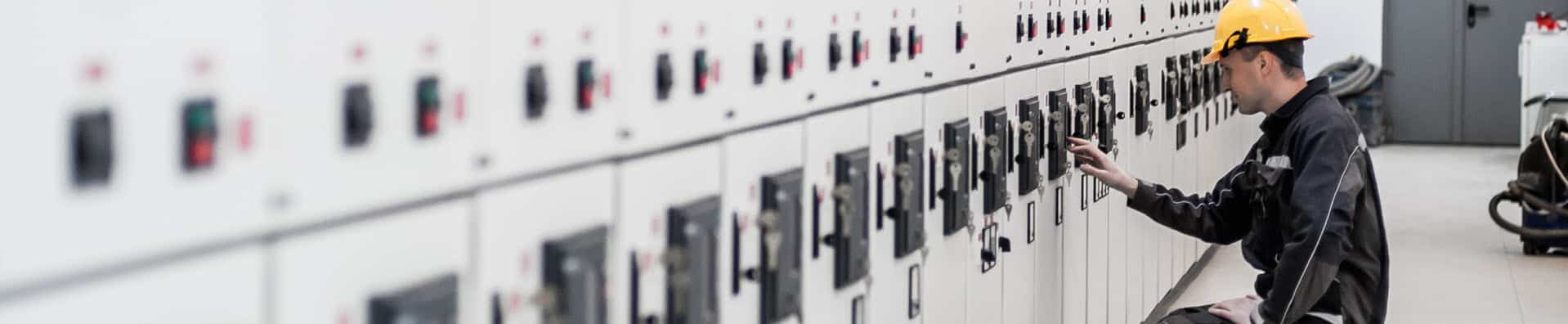
Make Sure the PPE You Buy Matches the Work Your Team Actually Does
The fact that employees are wearing personal protective equipment does not necessarily mean they are wearing the right protection for the task.
Work environments change. Equipment changes. New materials and processes introduce different hazards. PPE technology also continues to improve. Yet many organizations continue purchasing the same gloves, safety glasses and head protection they have used for years without revisiting whether those products are still the best fit for the work being performed.
Agilix Solutions can coordinate personal protective equipment assessments through our network of trusted industry and manufacturer partners. These assessments help organizations take a closer look at workplace hazards, employee tasks and current PPE to identify opportunities for better protection, improved comfort and a more consistent approach to PPE selection.
With access to a broad range of safety manufacturers and products, Agilix can then help match assessment findings with solutions that meet your application requirements and budget.
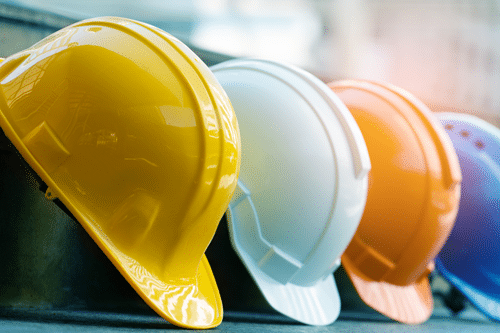
PPE Selection Should Start with the Hazard, Not the Product
Choosing PPE from a catalog is easy. Determining which PPE is appropriate for a specific task requires a deeper understanding of the work.
The protection required by an employee handling sharp sheet metal may be very different from what is needed by someone working around chemicals, energized equipment, hot materials or repetitive assembly operations. Even employees within the same facility may need different PPE depending on the hazards associated with their roles.
A PPE assessment helps shift the conversation from:
“What gloves or safety glasses do we normally buy?”
to:
“What hazards are our employees exposed to, and what protection makes sense for those applications?”
That distinction can help organizations avoid both under-protection and unnecessary over-protection while giving employees PPE that better supports the work they need to perform.
What Can a Personal Protective Equipment Assessment Help Identify?
Depending on the application, an assessment can help evaluate factors such as:
- Workplace hazards and employee exposure
- Tasks being performed while PPE is worn
- Current PPE specifications
- Protection levels required for the application
- Fit, comfort and employee usability
- Dexterity and visibility requirements
- Environmental conditions
- Opportunities to standardize PPE across similar applications
- New PPE technologies that may better address current needs
- Product options that balance protection, performance and cost
Agilix works with safety partners that bring application and product expertise to the assessment process. Once opportunities are identified, we can help recommend PPE options that align with the requirements of the job.
Hand Protection Assessments: Is Your Team Still Wearing the Right Gloves?
Hand protection is one of the clearest examples of why PPE should be evaluated by application.
Many organizations have purchased the same work gloves for years because those gloves are familiar, available and already approved. But the hazards employees encounter may have changed, and glove technology has advanced significantly.
Different jobs can expose workers to:
- Cuts and lacerations
- Abrasion
- Punctures
- Impact
- Heat and cold
- Chemicals
- Vibration
- Electrical hazards
- Arc flash hazards
No single glove is designed to provide the ideal protection for every one of these risks. Choosing the right hand protection requires understanding both the hazard and the work the employee needs to perform while wearing the glove.
Protection Is Only Part of the Equation
The most protective glove is not automatically the best glove for every task.
Employees may need to grip small parts, operate tools, handle wet or oily materials, use touchscreens or perform repetitive movements throughout a shift. A glove that creates unnecessary bulk or limits dexterity can make the task more difficult and may discourage consistent use.
A hand protection assessment can help evaluate the balance between protection, dexterity, grip, fit, comfort and durability for a specific application.
Agilix and our partners can also help customers interpret performance ratings related to cut resistance, abrasion, heat, puncture and impact protection when comparing glove options.
Put New Glove Options to Work Before Standardizing
Specifications can help narrow the choices, but employee experience matters too.
Agilix can support glove wear trials that allow employees to evaluate a proposed hand protection solution in the actual work environment. This gives safety teams an opportunity to consider not only whether the glove provides the required protection, but also how it performs during the task.
Employee feedback can help identify issues involving fit, dexterity, grip and comfort before an organization makes a larger purchasing or standardization decision.
The goal is not simply to find a glove with the right rating. It is to identify hand protection that employees can use effectively while performing the work safely.
Head Protection Assessments
Head protection is another area where relying on a long-standing product specification may overlook newer options or application-specific requirements.
Employees may be exposed to falling objects, low overhead structures, electrical hazards or other conditions that require appropriate head protection. Work at heights, high-temperature environments and low-light conditions can introduce additional considerations.
Through our safety partners, Agilix can help organizations evaluate head protection requirements based on the work being performed.
Potential considerations include:
- Type of impact protection required
- Side-impact protection
- Electrical protection requirements
- Heat and environmental conditions
- Work performed at heights
- High-visibility requirements
- Integrated lighting
- Suspension and fit
- Compatible accessories
Agilix can also support customized head protection with company logos when organizations want to combine appropriate protection with consistent company identification.
Eye Protection Assessments
Safety eyewear may be standard equipment in a facility, but that does not mean every employee is wearing the right eyewear for every task.
Different applications can expose employees to flying particles, dust, debris, splashes, ultraviolet or infrared radiation and other eye hazards. Environmental conditions can also create practical challenges. Fogging, poor visibility or uncomfortable eyewear can interfere with the employee’s ability to work effectively.
An eye protection assessment can help evaluate the tasks being performed and identify eyewear features suited to those conditions.
Depending on the application, options may include:
- Anti-fog technology
- Protection from harmful UV or IR exposure
- Different lens types and tints
- Improved fit and comfort
- Application-specific coverage
- Solutions designed for changing indoor and outdoor conditions
Better eye protection is not simply about issuing safety glasses. It is about selecting eyewear employees can see through clearly, wear comfortably and use appropriately for the hazards they encounter.
Standardize PPE Where It Makes Sense
For organizations with multiple departments, facilities or job functions, PPE purchasing can become fragmented over time.
Different teams may order different products for similar tasks. Employees may continue using legacy products simply because they have always been stocked. Procurement teams may also have difficulty determining whether multiple SKUs are serving a meaningful safety need or merely reflecting years of inconsistent purchasing.
A PPE assessment can create an opportunity to look at those products more systematically.
Where applications and hazards are similar, organizations may be able to standardize around a smaller number of well-matched PPE solutions. Where hazards differ, the assessment can help document why different protection is appropriate.
The result can be a PPE program that is easier for safety teams to manage, easier for procurement teams to support and easier for employees to understand.
Balance Worker Protection with PPE Cost
The lowest-cost PPE is not always the least expensive option over time. At the same time, purchasing the highest-rated or most expensive product for every employee can create unnecessary costs when the application does not require that level of protection.
A better approach is to match product performance to actual workplace requirements.
Factors such as durability, replacement frequency, employee acceptance and the number of PPE products being stocked can all affect the true cost of a program.
By evaluating applications before recommending products, Agilix can help customers identify options that provide appropriate protection while considering the operational and budget requirements of the organization.
Why Work with Agilix for PPE Assessments?
Agilix brings together two resources that are valuable when evaluating workplace PPE: access to specialized safety expertise and access to a broad portfolio of safety products.
Our team coordinates assessments with trusted manufacturer and industry partners who understand how PPE performance characteristics relate to specific workplace applications. Once needs have been identified, Agilix can help customers compare products and implement solutions from leading safety manufacturers.
This approach gives customers a path from hazard and application assessment to product evaluation and supply without treating PPE selection as a one-size-fits-all purchasing decision.
Agilix can support organizations with:
- Hand protection assessments
- Glove wear trials
- Head protection assessments
- Eye protection assessments
- PPE product recommendations
- Safety product standardization
- Access to a broad range of safety brands and technologies
- Ongoing product and supply support
When Should You Reevaluate Your PPE?
You do not have to wait for an injury or incident to reconsider the PPE being used in your facility.
It may be time for another look when:
- The same PPE has been purchased for years without reassessment
- Equipment or production processes have changed
- New materials or chemicals have been introduced
- Employees regularly remove or modify PPE to perform their jobs
- Workers complain about comfort, fogging, grip or dexterity
- PPE consumption or replacement costs are increasing
- Similar jobs use inconsistent PPE across departments or locations
- Your organization is reviewing workplace hazards or safety procedures
- New PPE technologies may provide better options than legacy products
These situations can indicate that the product being purchased and the work being performed are no longer fully aligned.
Build a PPE Program Around the Work, Not Habit
If your organization has been purchasing the same PPE for years, it may be worth asking whether those products are still the best choice for your employees and applications.
Agilix Solutions can coordinate an assessment with one of our safety partners to evaluate your current PPE needs and identify solutions that better align protection, performance, employee usability and cost.
Connect with Agilix to schedule a personal protective equipment assessment and take a closer look at the protection your team relies on every day.

Premium Products & Unrivaled Service to Help You Keep Your Team Safe
Accidents occur, but a conscientious employer strives to prevent them. Agilix Solutions provides our customers with the knowledge and equipment to min [...]
Read More
Finding the Right Glove for the Job: The Basics of Hand Safety Ratings
Nearly everything that’s been invented, built, or written exists because of human hands. When you consider how important hands are, on both an indiv [...]
Read More
Prevent Brain Injury Incidents with Proper Head Protection
According to the CDC, about 166 Americans die from a traumatic brain injury (TBI) each day. While anyone can experience a TBI, people who work in cons [...]
Read More