
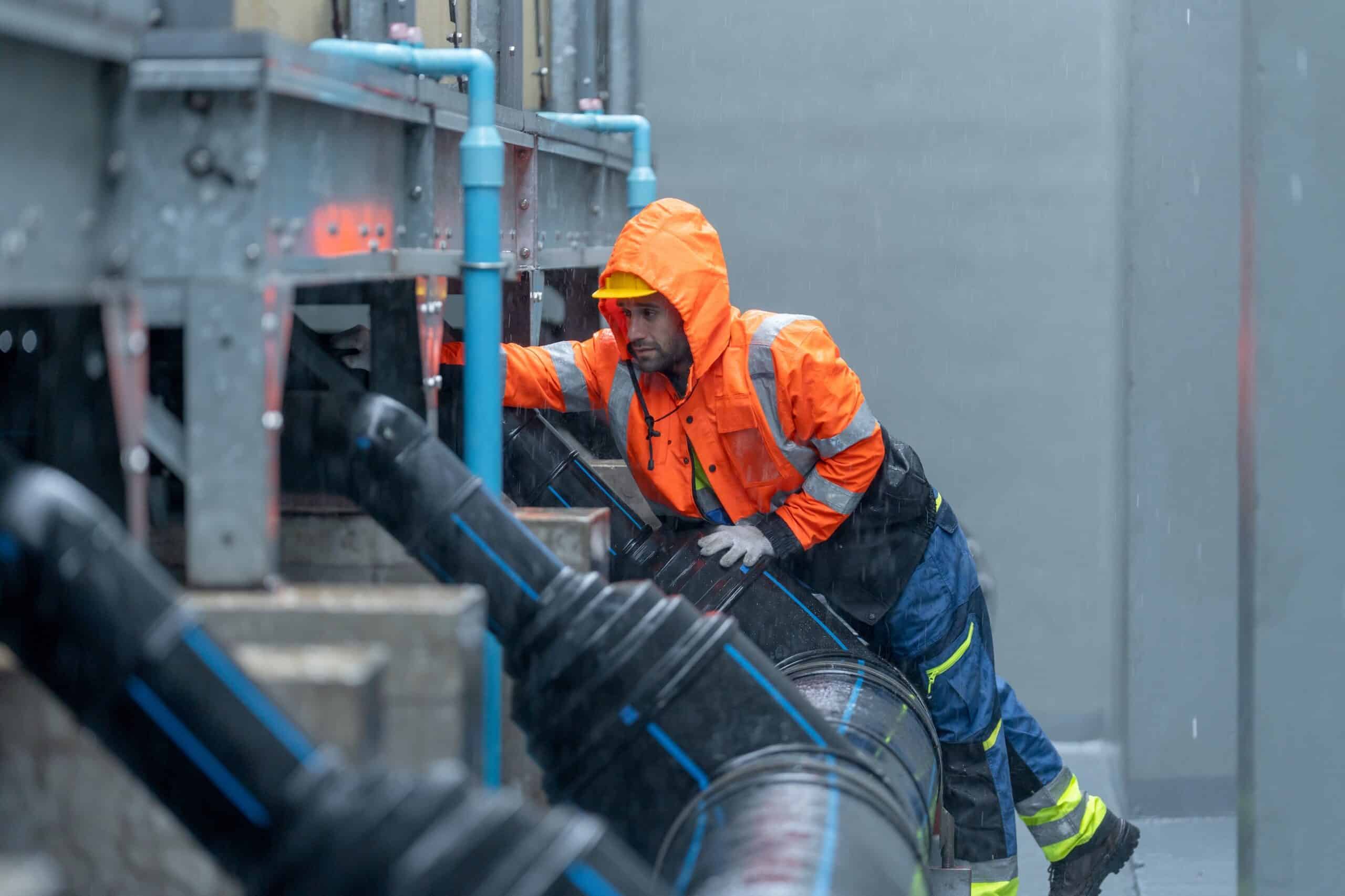
When severe thunderstorms and tornadoes move our region, facilities managers are often responsible for far more than keeping operations running. They are also tasked with protecting employees, minimizing downtime, and preparing facilities to respond quickly when conditions change unexpectedly.
Storm preparedness is not something most organizations can afford to address reactively. Power outages, water intrusion, debris, and emergency response situations can disrupt operations with little warning. As storm season ramps up across Kansas, Missouri, Tennessee, Arkansas, Illinois, and Mississippi, now is the time for facilities teams to evaluate whether their locations are properly equipped.
Here are several areas facilities managers should prioritize as part of a storm readiness checklist.
Ensure Emergency Lighting Is Ready
 Power disruptions are one of the most common impacts associated with severe storms. When visibility becomes limited, reliable lighting is critical for both safety and operational response.
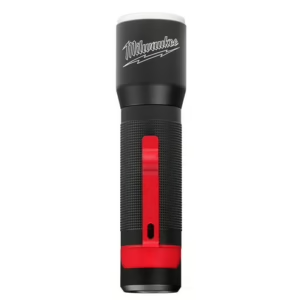
Facilities should confirm they have adequate supplies of flashlights available throughout the facility, especially near exits, electrical rooms, maintenance areas, and emergency supply stations. Rechargeable and industrial-grade models can provide more dependable performance during extended outages. Agilix carries high-performance flashlights from brands you know and trust like Milwaukee Tool.
In addition to handheld lighting, many facilities benefit from having access to portable and temporary lighting solutions that can illuminate workspaces, staging areas, or cleanup zones if permanent lighting systems are unavailable.
Protect Equipment from Power Surges
Storm-related outages are often accompanied by voltage fluctuations and electrical surges that can damage sensitive equipment. Industrial electronics, network infrastructure, and connected automation systems are particularly vulnerable during severe weather events.
Incorporating facility-wide surge protection solutions from brands like Mersen can help reduce the risk of costly damage and unexpected downtime. Surge protection should be considered not only for office systems, but also for critical industrial equipment and operational technology infrastructure that supports production.
 Review First Aid Readiness
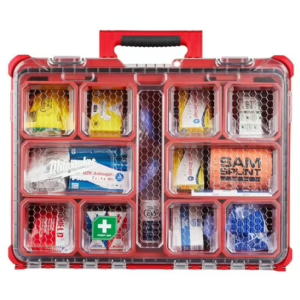
Emergency preparedness plans should always include medical response readiness. Facilities managers should verify that first aid kits and supplies are fully stocked, accessible, and aligned with the size and layout of the facility.
Storm-related incidents can range from minor injuries during cleanup activities to more serious emergencies caused by debris or hazardous conditions. Having updated supplies available throughout the facility helps teams respond quickly while waiting for emergency personnel if needed. It is also important to review expiration dates and replenish supplies before severe weather activity increases.
Prepare for Heat and Hydration Challenges
Storm recovery efforts often happen in hot, humid conditions, especially during late spring and summer months. If employees are involved in outdoor inspections, repairs, or cleanup activities after severe weather, hydration quickly becomes a safety concern.
Maintaining supplies of hydration products and portable coolers can help facilities support employee safety during extended response efforts. Keeping water accessible throughout the facility and in outdoor work zones is a simple but important part of storm readiness planning.
Plan for Water Intrusion and Spill Containment
 Heavy rain, roof leaks, and flooding can create immediate cleanup and containment challenges inside industrial and commercial facilities. Water intrusion may also increase the risk of slips, equipment damage, or contamination if fluids are involved.
Facilities should ensure they have appropriate spill response materials readily available, including absorbent blankets, pads, pillows, and rolls for fast containment and cleanup. We carry a number of products from Oil-Dri® designed to perform in the toughest conditions. In some environments, keeping supplies of loose absorbents on hand can help teams respond more effectively to larger spills or widespread moisture issues.
Preparedness in these situations can significantly reduce cleanup time and help prevent secondary operational disruptions.
Prepared Facilities Respond Faster
Storm preparedness is ultimately about reducing uncertainty. Facilities that prepare before severe weather arrives are often able to respond faster, protect employees more effectively, and minimize operational disruption when conditions deteriorate. For facilities managers, even small preparedness improvements can make a significant difference during a real-world event.
Agilix Solutions provides a wide range of industrial and facility preparedness products to help organizations prepare for storm season with confidence. To review your facility’s readiness needs, contact your Agilix Solutions Account Manager or connect with your local branch before severe weather impacts your operation.